Filter

Cattle Feed for Beef Producers
Cattle Feed for Beef Producers










Common Cattle Feed FAQs
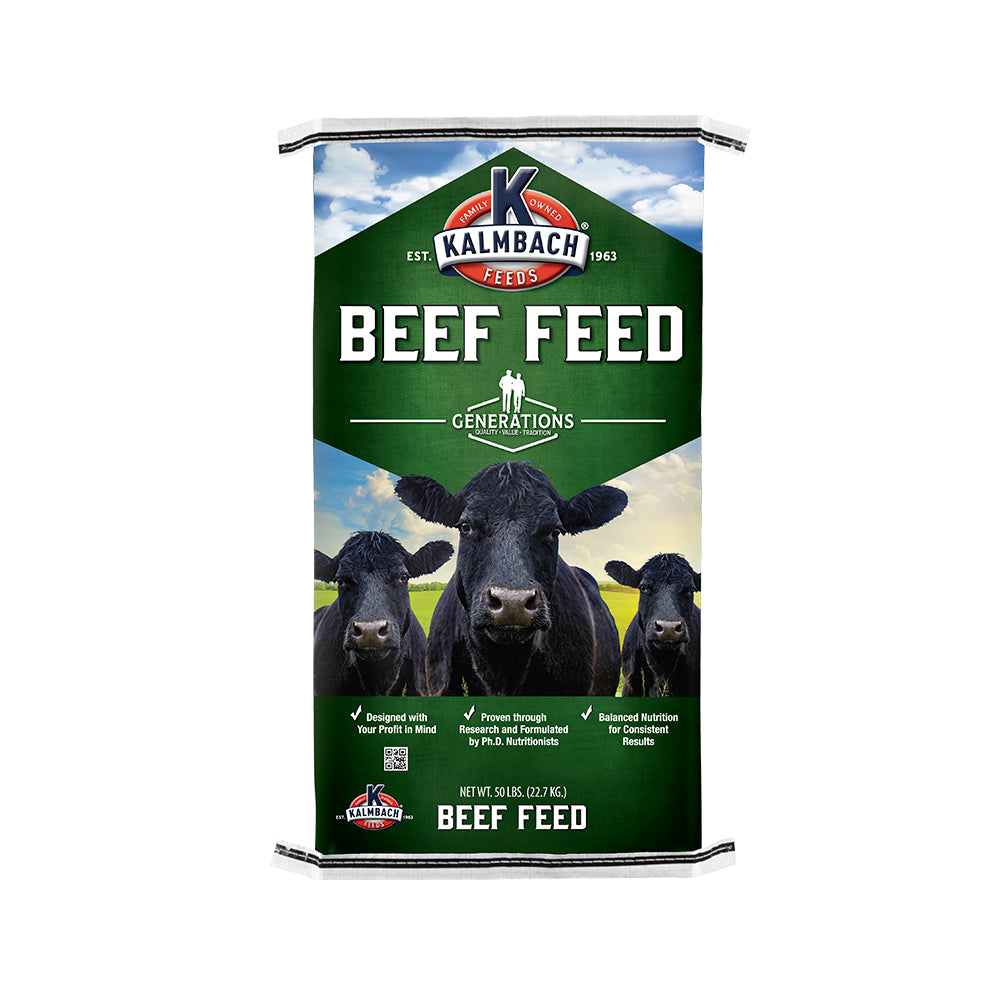
The best feed for cattle depends on the animal’s age and purpose. High-quality forage, such as grass from pastures or hay, with additional grain and protein supplements, is typically chosen for its balanced nutrition. Tailoring feed to your cattle's specific requirements ensures optimal growth and productivity.
- Grain —Grain optimizes growth and weight gain in your cattle. It is a dense source of energy that rapidly accelerates weight gain.
- Hay—Hay is vital in winter because it provides cattle with essential fiber and calories when pasture grazing is unavailable. Popular types of hay, such as alfalfa and grass hay, are chosen based on their protein content, cost, and availability.
- Pasture—Cattle grazing in fresh pastures is ideal and provides a natural source of nutrition. Grazing is natural for cattle and reduces feed costs; however, forage quality can vary wildly, and supplementation may be required for low-quality forage.
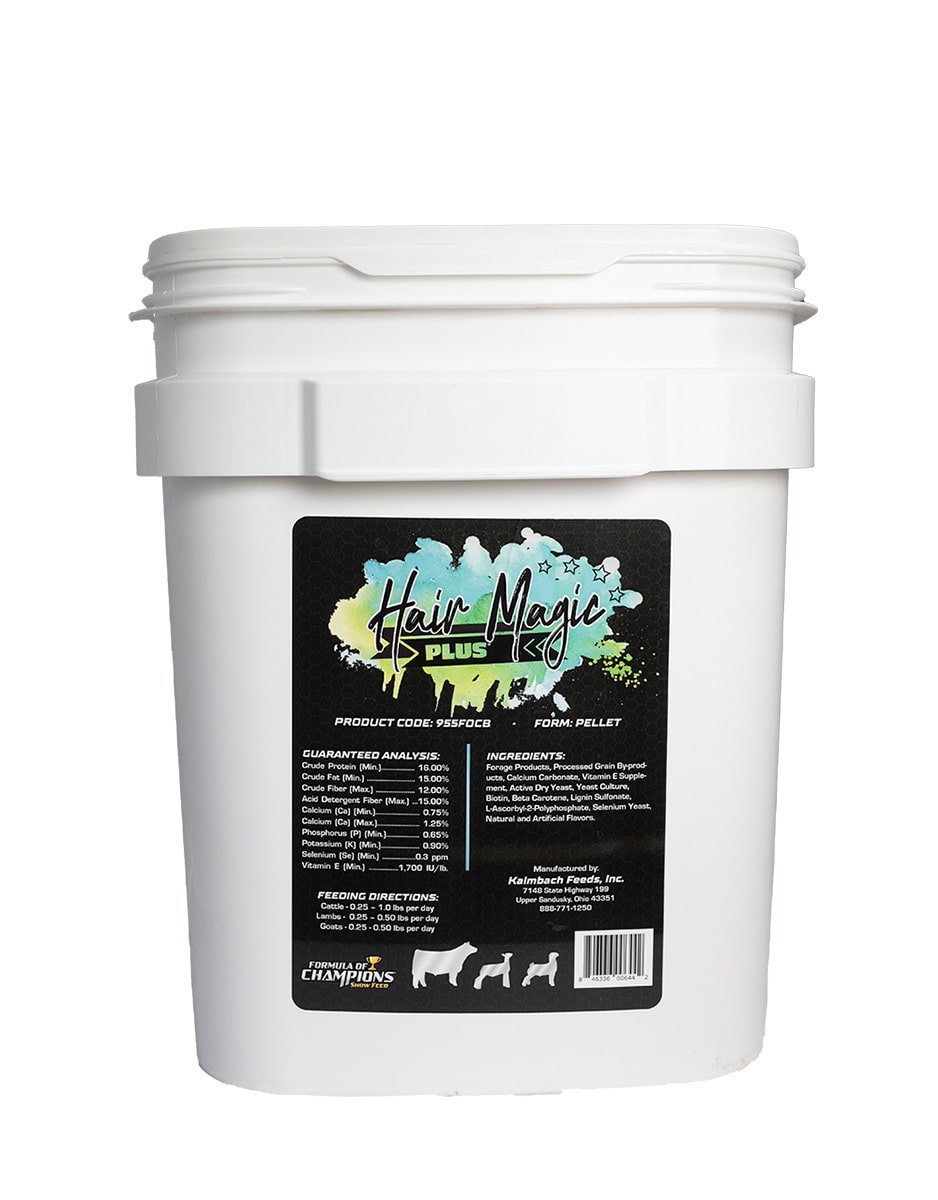
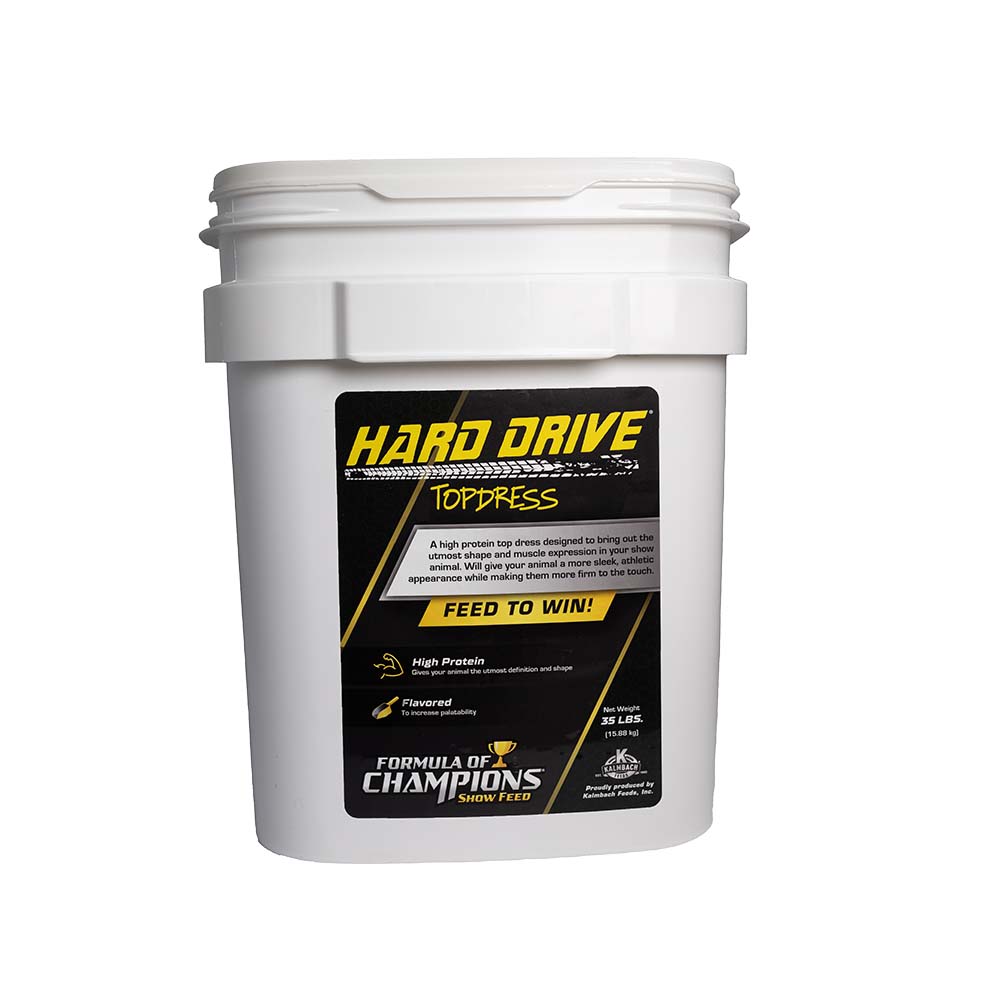
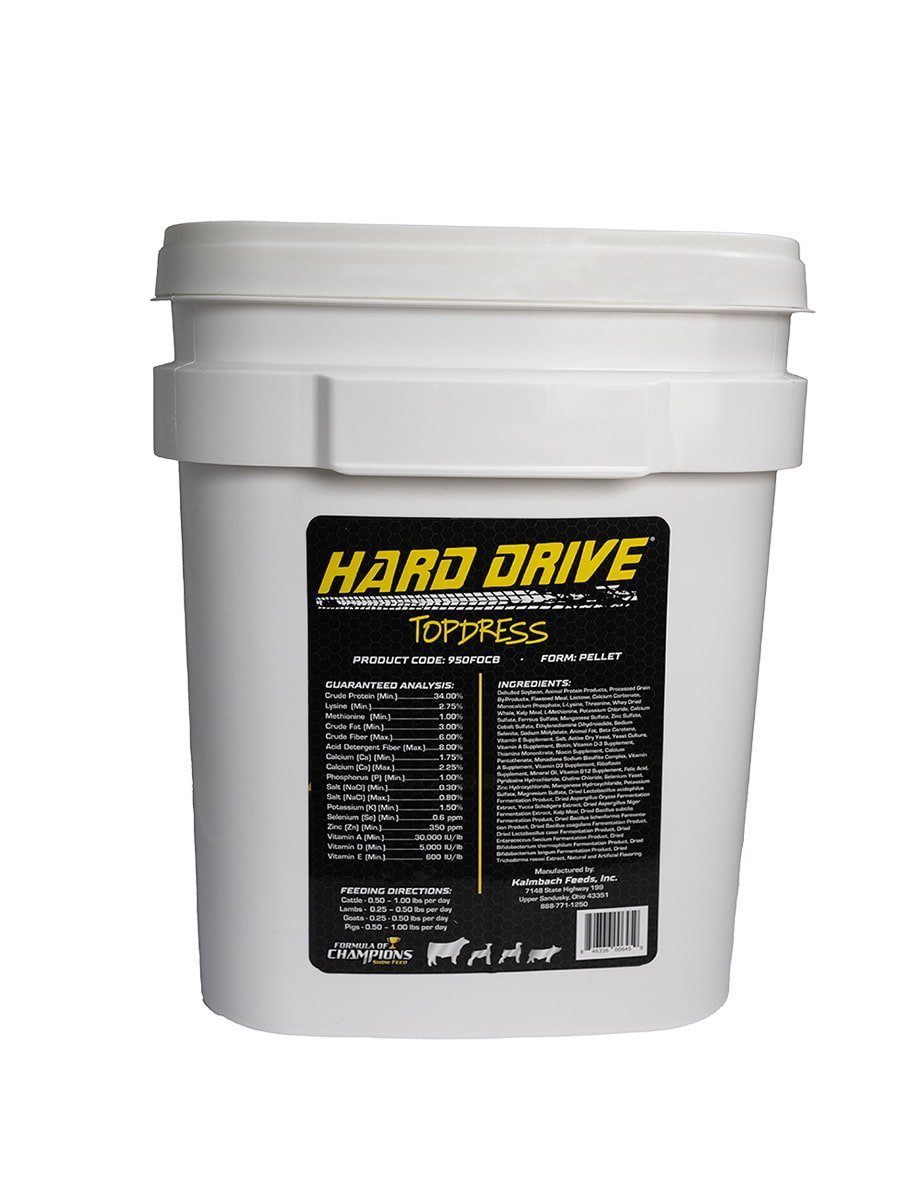
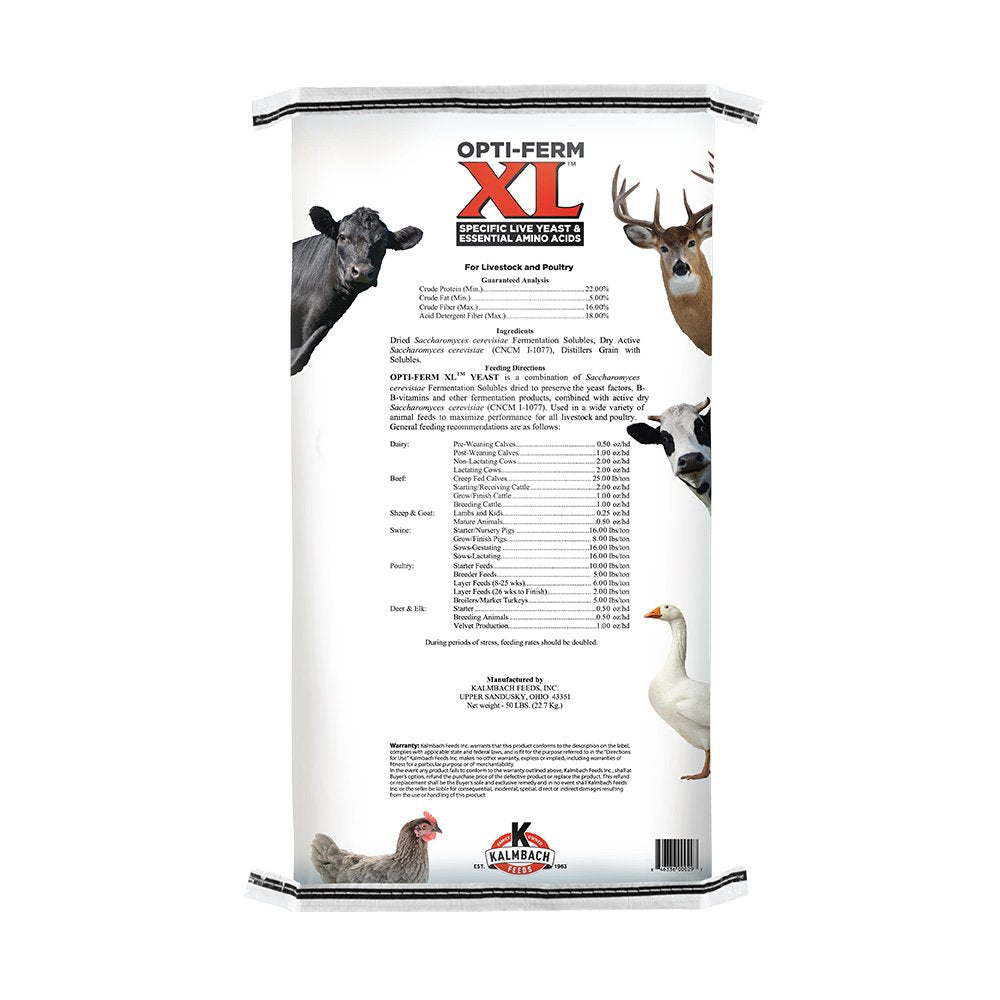
- Fortified Supplements —Supplementing cattle with fortified pellets, feed, and mineral products support healthy muscle growth and allows you to meet your cattle’s specific nutrient needs.
Looking at your herd goals and forage quality is key to ensuring proper nutrition. Many variables affect cattle nutrition, so regularly evaluating your cattle’s health and weight gain is vital to ensure they receive adequate nutrition. Consult a Kalmbach Feeds representative to create a balanced feed plan for energy, protein, and mineral needs. You can adjust the plan based on your cattle’s age, growth stage, and the quality of available pasture. Additionally, analyzing forage quality frequently is also essential to know if your herd requires additional feed or nutritional supplementation.
Look for ingredients that offer high energy and protein from quality sources, such as grains, soybean meal, and alfalfa. Depending on your herd goals, specialty ingredients like probiotics, chelated trace minerals, and added vitamin fortification may be worth considering.
Cattle should be fed consistently each day, ideally early in the morning and late in the afternoon. A regular feeding schedule supports optimal digestion and reduces stress, which helps maintain optimal health and performance in your herd.
Feeding cattle twice daily helps meet their nutritional needs and supports healthy digestion. For some systems, cattle on high-quality pasture can graze throughout the day, while those on grain-based diets may benefit from two structured feedings.
The best way to feed cattle is to use accessible and clean feed bunks or troughs. Rotating grazing pastures also promotes consistent nutrition from forage while minimizing overgrazing and maintaining pasture health.